How does Zepbound work?
Zepbound · tirzepatide · by Eli Lilly
Reviewed by the WeighedHealth Editorial Team against primary clinical sources — FDA labeling, peer-reviewed trials, and specialty-society guidelines.
Content current as of July 2026; updated when guidance or availability changes.
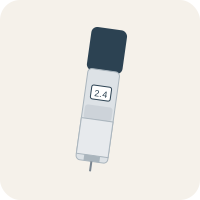
Tirzepatide is a dual incretin agonist: it hits both the GLP-1 receptor (like semaglutide) and the GIP receptor (which semaglutide doesn't). The combination produces stronger appetite suppression and better glycemic effect than GLP-1 alone, which translates to more weight loss in head-to-head trials (SURMOUNT studies showed ~20% body weight loss at the 15mg dose).
Where to get Zepbound

Ro
from $149/mo- Best for insured patients
- Best for clinical oversight
Ro Body, branded GLP-1 weight care program

Hims
from $149/mo- Best for cash-pay
- Best for speed
Hims Weight Loss, branded GLP-1 on a monthly membership
More on Zepbound
- How much does Zepbound cost?
- Zepbound side effects
- Zepbound dosage chart and titration schedule
- Who qualifies for Zepbound?
- Zepbound drug interactions
- Zepbound and pregnancy: safety, planning, breastfeeding
- Zepbound and alcohol: what to know
- Zepbound missed dose: what to do
- Zepbound savings: coupons, manufacturer programs, lower-cost options
- ← Full Zepbound overview
People also ask
Frequently asked
How does Zepbound work in the body?+
Tirzepatide is a dual incretin agonist: it hits both the GLP-1 receptor (like semaglutide) and the GIP receptor (which semaglutide doesn't). The combination produces stronger appetite suppression and better glycemic effect than GLP-1 alone, which translates to more weight loss in head-to-head trials (SURMOUNT studies showed ~20% body weight loss at the 15mg dose).
How long until Zepbound starts working?+
Most patients notice appetite changes within 1-2 weeks. Meaningful weight or clinical change typically follows the full titration period (3-5 months).